
Bible Verse on Clothing: Different Fabrics Explained
In the Bible, clothing is often more than just a practical necessity; it holds significant symbolic and spiritual meaning. From the garments that Adam and Eve crafted in the Garden of Eden to the elaborate priestly robes described in Exodus, clothing in Scripture is imbued with deeper messages about identity, purity, and devotion to God. One particularly intriguing aspect is the Bible's stance on the fabrics used in garments, specifically mentioned in the Old Testament.
The verse in Leviticus 19:19 states, "Do not wear clothing woven of two kinds of material." This directive may seem puzzling to modern readers, but it carried profound implications for the Israelites. The commandment was part of a larger set of laws aimed at setting God's people apart and ensuring they lived lives of holiness and obedience. By adhering to even seemingly minor rules, the Israelites displayed their commitment to God's covenant and differentiated themselves from surrounding nations.
Understanding these verses in their historical and theological context allows us to appreciate their relevance in our contemporary Christian lives. They serve as a reminder of the importance of obedience and the call to live distinctively as followers of Christ. As we explore the various fabrics and their significance, we can gain a richer understanding of how these ancient guidelines continue to influence our faith journey today.
Checkout our clothing at shopgodsgracesaves.com and find designs that inspire you to live out your faith every day.
Specific Bible Verse on Clothing Fabrics
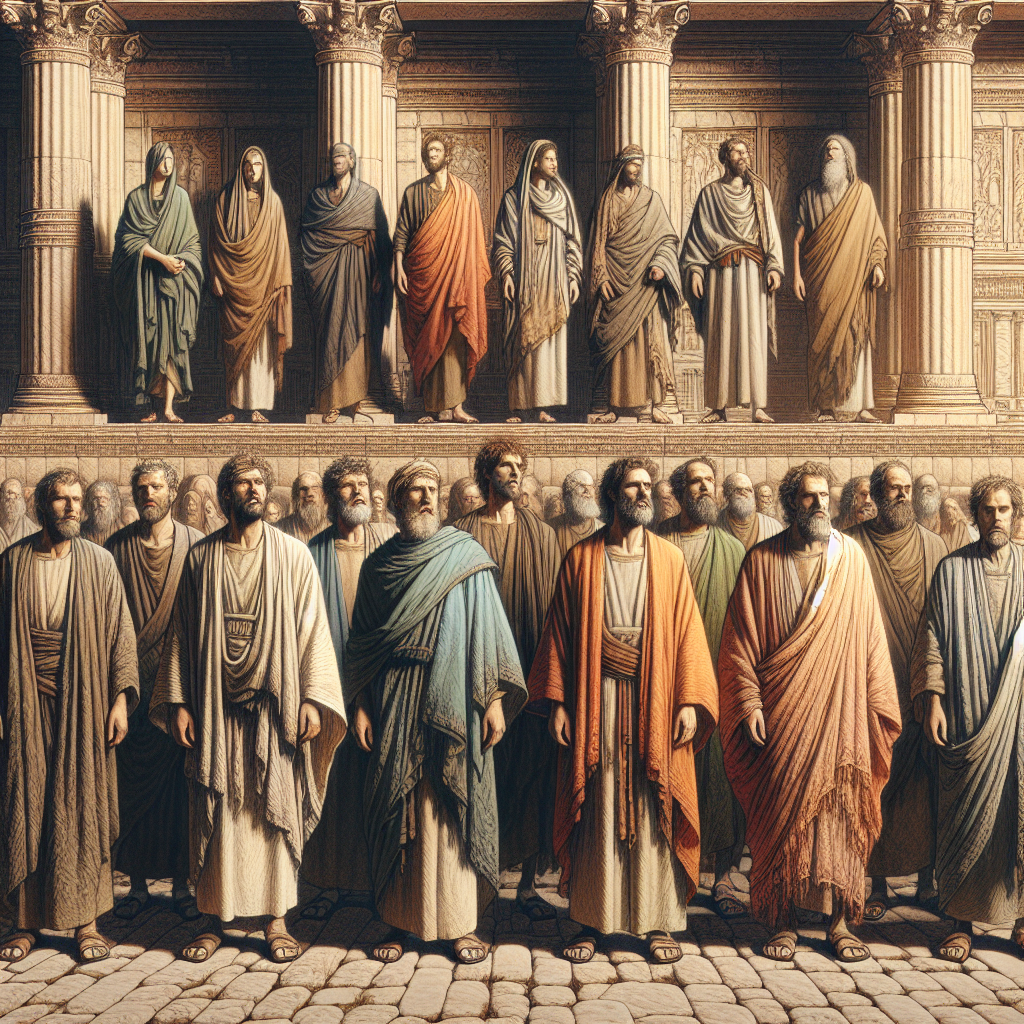
One of the most cited Bible verses regarding clothing fabrics is found in the book of Leviticus. Leviticus 19:19 explicitly states, "Keep my decrees. Do not mate different kinds of animals. Do not plant your field with two kinds of seed. Do not wear clothing woven of two kinds of material." This verse is part of a broader set of laws given to the Israelites, often referred to as the Holiness Code, which encompasses various aspects of daily life and worship.
To understand this verse, it's crucial to recognize its context within the Mosaic Law. The prohibition against wearing mixed fabrics—commonly interpreted as wool and linen—was a symbolic gesture to maintain purity and avoid the mixing of different elements. This commandment is linked to the broader theme of separation that permeates the Old Testament, reflecting God's desire for His people to be distinct and set apart from other nations.
Additionally, Deuteronomy 22:11 reiterates this commandment: "Do not wear clothes of wool and linen woven together." Scholars suggest that this rule might have had practical as well as symbolic reasons. For instance, the combination of wool and linen could cause the garment to wear out more quickly, or it might have been associated with pagan religious practices that God wanted the Israelites to avoid.
While these specific instructions might not apply directly to modern-day Christians, they offer valuable insights into the importance of obedience and the call to live a life set apart for God. By delving into these verses, we can better understand the historical and spiritual significance behind the seemingly mundane details of biblical law.
Historical Context of the Verse
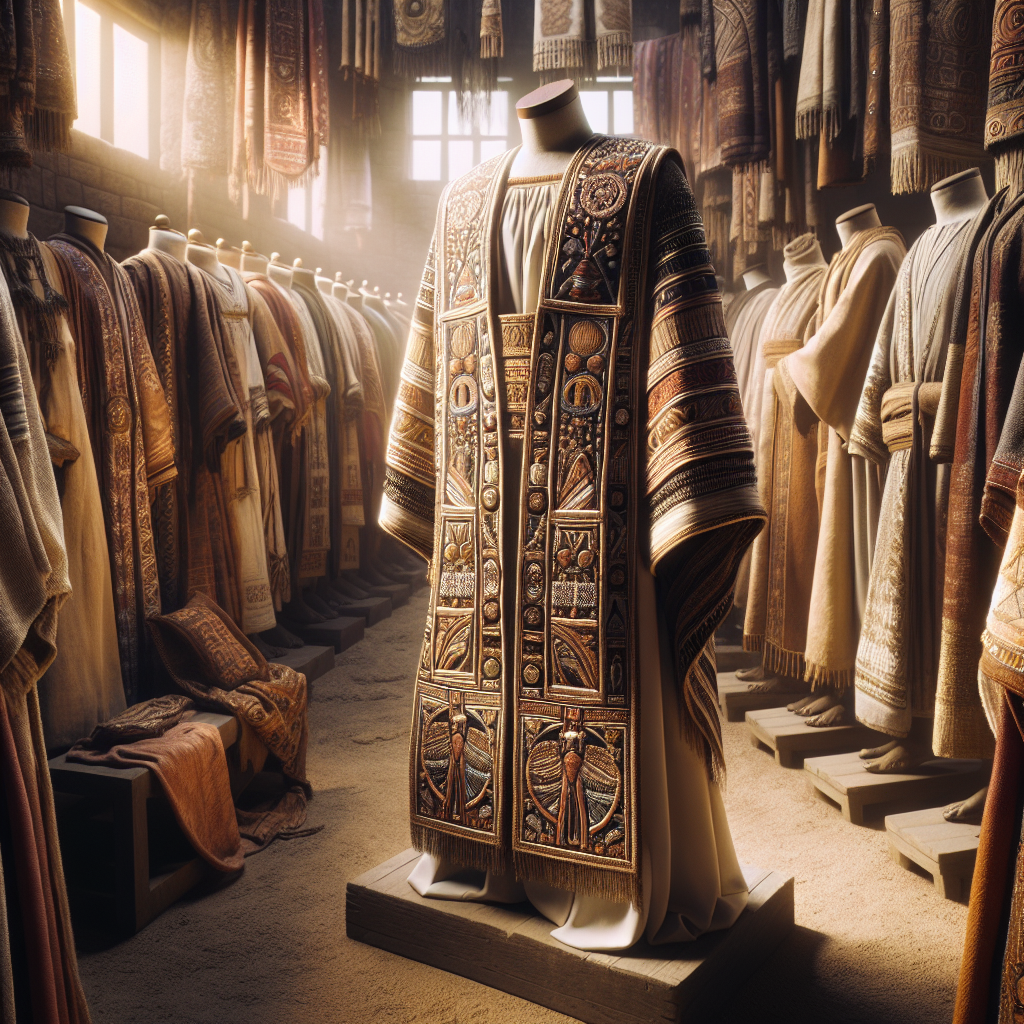
The historical context of the Bible verse about clothing fabrics is deeply rooted in the cultural and religious practices of ancient Israel. The Israelites were a people chosen by God to be distinct from the surrounding nations, and this distinction was reflected in various aspects of their daily lives, including their clothing.
In ancient Israel, the Holiness Code, which includes the prohibition against wearing mixed fabrics, served to set the Israelites apart as a holy nation. This code was given during a period when the Israelites were transitioning from a nomadic lifestyle to settling in the Promised Land. The laws were designed to cultivate a sense of identity and unity among the people, emphasizing their unique relationship with God.
During this time, clothing was not merely functional but also symbolic. The materials used and the way garments were made often had religious and cultural significance. For example, linen was commonly used for priestly garments, symbolizing purity and sanctity. By forbidding the mixing of wool and linen, the law reinforced the idea of maintaining purity and avoiding contamination, both physically and spiritually.
Moreover, the prohibition against mixed fabrics can be seen as part of a broader theme of separation and differentiation. Just as the Israelites were to refrain from mixing different kinds of seeds in their fields or breeding different kinds of animals, they were also to maintain distinctiveness in their clothing. This separation was a constant reminder of their covenant relationship with God and their calling to be a holy people.
Understanding the historical context of this verse helps modern readers appreciate the deeper meanings behind these ancient laws. It reveals how seemingly small details were part of a larger framework designed to foster a community dedicated to living according to God's commandments and values.
Symbolic Meaning in the Bible
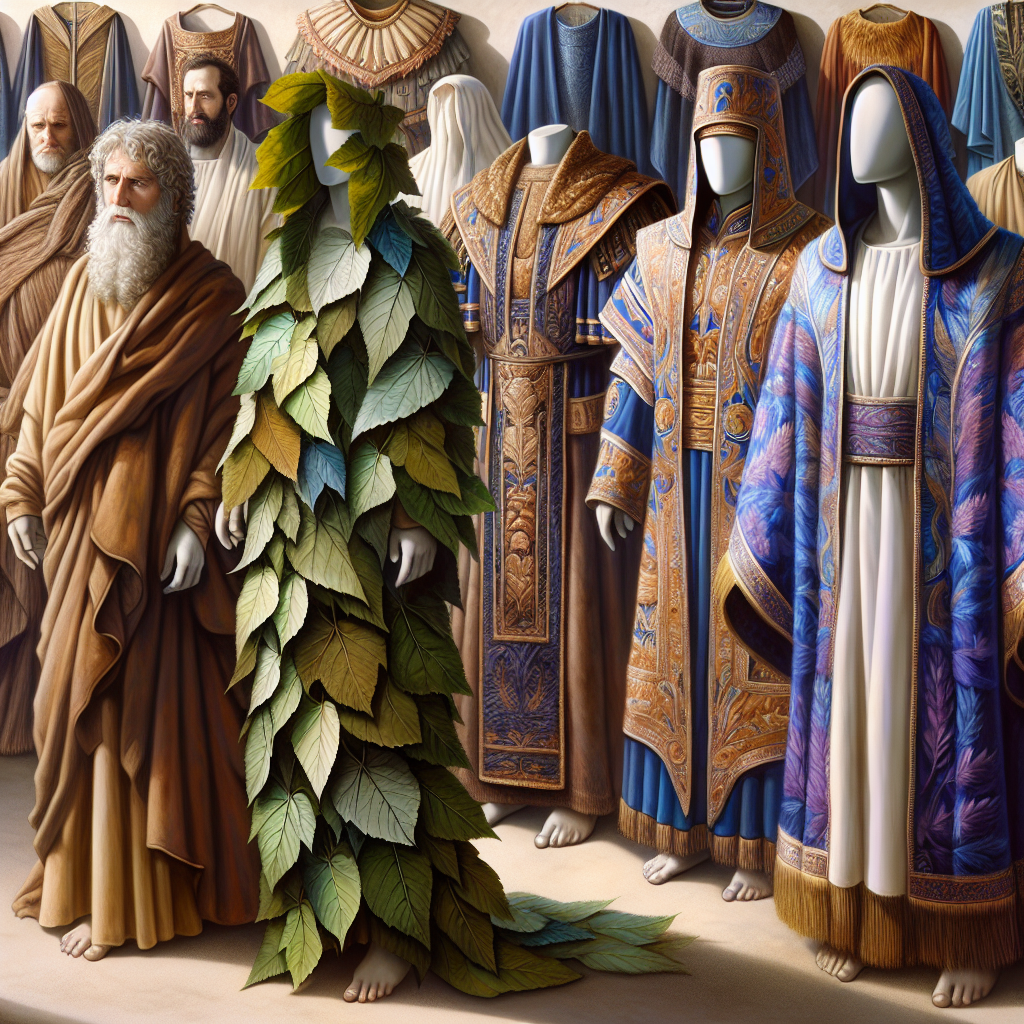
The symbolic meaning behind the Bible verse about clothing of different fabrics goes beyond the physical act of wearing mixed materials. In biblical times, symbols and rituals played a crucial role in conveying spiritual truths and divine principles. The prohibition against wearing garments made of mixed fabrics, particularly wool and linen together, carries rich symbolic significance.
One of the key symbolic meanings is the concept of *purity* and *holiness*. In the ancient world, mixed fabrics were often associated with impurity and disorder. By instructing the Israelites to avoid such mixtures, God was teaching them to live lives of purity and integrity, reflecting their holy status as His chosen people. This law served as a daily, tangible reminder of their need to remain separate from the corrupting influences of the surrounding nations.
Another layer of symbolism can be found in the distinct properties of wool and linen. Wool, derived from sheep, is often associated with warmth and comfort, while linen, made from flax, is linked to coolness and purity. By keeping these materials separate, the law underscores the importance of maintaining clear boundaries in various aspects of life, from moral and ethical standards to social and religious practices.
Furthermore, the prohibition against mixing fabrics can also be seen as a metaphor for maintaining spiritual integrity. Just as mixing different materials could compromise the quality and purpose of a garment, blending different religious practices or moral standards could dilute the faith and devotion of the Israelites. The law served to remind them to stay true to their faith and to avoid syncretism, or the blending of different religious beliefs.
In a broader sense, this biblical injunction symbolizes the call to live a life of *intentionality* and *devotion*. It encourages believers to be mindful of their actions and choices, ensuring that every aspect of their lives aligns with their faith and values. By adhering to these symbolic laws, the Israelites were not only obeying God's commandments but also demonstrating their commitment to a life set apart for His glory.
Modern-Day Relevance and Interpretation
Understanding the modern-day relevance and interpretation of the Bible verse about clothing of different fabrics requires a nuanced approach. While the Old Testament laws served a specific purpose for the Israelites, Christians today often grapple with how these ancient directives apply to contemporary life.
In light of the New Covenant established through Jesus Christ, many Christians believe that the ceremonial laws, such as the prohibition against wearing mixed fabrics, are no longer binding. As the Apostle Paul highlights in Galatians 3:24-25, the law was a guardian until Christ came, but now that faith has come, we are no longer under that guardian. This perspective emphasizes that the essence of these laws was to point towards deeper spiritual truths and to prepare God's people for the coming of the Messiah.
However, the principles underlying these laws remain profoundly relevant. The call to live a life of *purity*, *holiness*, and *integrity* is timeless. Christians are encouraged to apply these principles in ways that resonate with modern contexts. For instance, while the specific prohibition against mixed fabrics may not be directly applicable, the broader call to avoid compromising one's faith with worldly influences remains pertinent.
Moreover, the symbolic aspects of these laws can inspire Christians to examine their own lives for areas where they might be 'mixing' incompatible elements. This could involve assessing moral and ethical standards, ensuring that one's lifestyle aligns with Christian values, or avoiding syncretism by staying true to the core tenets of the faith.
In today's interconnected world, where cultural and religious influences are increasingly blended, the principle of maintaining spiritual integrity is more critical than ever. By focusing on the heart of these biblical injunctions, Christians can navigate contemporary challenges while staying rooted in their faith. The modern-day relevance of these ancient laws lies not in their literal observance but in their ability to inspire believers to live lives marked by intentional devotion, ethical consistency, and unwavering faithfulness to God.
Living Out Biblical Principles Today

Living out biblical principles today involves more than adhering to ancient laws; it means embodying the spirit behind these commandments in our daily lives. The Bible verse about clothing of different fabrics, while rooted in historical context, teaches us profound lessons about *purity*, *holiness*, and *integrity* that are still applicable.
In our modern world, believers are called to reflect Christian values in every aspect of life. This can be seen in the way we treat others, our commitment to ethical practices, and our dedication to living out our faith authentically. For instance, the principle of avoiding 'mixed fabrics' can inspire us to avoid 'mixing' our faith with actions or beliefs that contradict God's Word.
One practical way to embody these principles is through the choices we make in our personal and professional lives. This might involve being honest in business dealings, showing compassion to those in need, and striving to be a positive influence in our communities. By doing so, we demonstrate that our faith is not just a set of beliefs but a way of life that impacts everything we do.
Additionally, Christians can use their clothing as a form of testimony. Wearing apparel that features Bible verses or Christian messages can serve as a reminder to oneself and as a witness to others. It can open up conversations about faith and provide opportunities to share the Gospel.
At God's Grace Saves, we offer a range of clothing designed to help believers express their faith boldly and beautifully. Our collection aims to inspire a deeper connection with God and to encourage you to live out your beliefs every day. Checkout our clothing at shopgodsgracesaves.com and find pieces that resonate with your faith journey.